Community Health Improvement Plan: What It Is & Why It Matter :-
Community Health Improvement Plan (CHIP) is a road map for improving community health. Imagine it as a group project where doctors, local leaders, schools, hospitals, NGOs, and ordinary people decide which health issues are most important and how to address them, rather than your classmates.
Why should you give a damn?
Because problems like poor roads, a lack of hospitals, pollution, mental health disorders, and unclean water don’t just go away. It needs to be properly planned by someone. A CHIP does just that.
How to Develop a Community Health Improvement Plan: Step-by-Step Guide
Without overanalyzing, let’s dissect this. Typically, a CHIP consists of several major steps:
1. Recognize the actual health problems that the local population faces
2. Decide which issues should be addressed first.
3. Make plans of action
4. Monitor whether or not things are getting better.
That’s all. Not mystical.
1. Conducting a Community Health Assessment for Your CHIP
The community must determine “what’s really going on here?” before making any plans.
This comprises:
- Speaking with others
- Examining hospital information
- examining patterns (such as pollution levels or obesity rates)
- researching regional issues (such as transportation shortages or problems with drinking water)
The idea is straightforward: you cannot solve a problem that you do not comprehend.
2. Prioritising Health Issues in the Plan
There may be fifty health issues in a community, but it is obvious that you cannot address them all at once.
Thus, they pose queries such as:
- What has the biggest impact on people?
- What is rapidly getting worse?
- What can we really fix?
- With the money we have, what is reasonable?
This aids them in selecting the top three to five issues to concentrate on.
3. Setting Strategic Priorities: Typical Themes
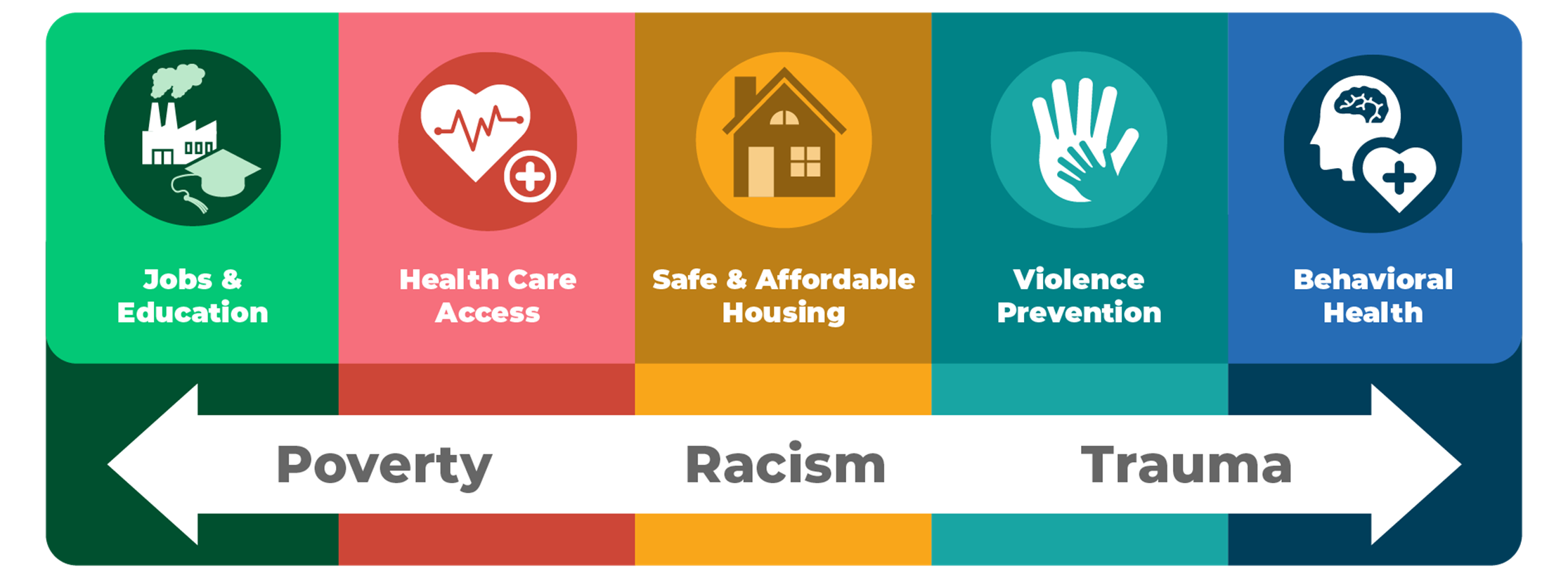
The majority of CHIPs typically center on topics like:
- Mental well-being
- Hospital accessibility
- Pure water
- wholesome food
- Abuse of substances
- Traffic safety
- Health of mothers and children
Basically, the things that have a significant impact on daily life.
4. Designing Strategies and Actions in Your CHIP
Following the establishment of priorities, the team determines HOW to make the necessary corrections.
The plan comes to life at this point.
For instance:
- Launch mobile medical clinics
- Construct more playgrounds.
- Conduct campaigns to raise awareness of mental health issues
- Boost the distribution of vaccinations
- To make neighborhoods safer, install street lights.
Instead of being nebulous fantasies, good plans are precise and have due dates.
Monitoring and Evaluation: Indicators, Metrics & Accountability
Creating a plan is simple. The hard part is sticking to it.
Thus, they keep track of things like:
- Have wait times at hospitals decreased?
- Are infections declining?
- Have vaccination rates increased?
- Are prenatal checkups becoming more common among mothers?
Indicators are the plan’s scorecard.
Measuring Impact: Return on Investment for CHIP
Communities want to know if this effort is worth it.
Impact manifests as things such as:
- Reduced medical expenses
- A decrease in emergency situations
- Increased attendance at school
- healthier work environments
In essence, a healthier community saves lives and money.
Governance, Stakeholder Engagement & Partnerships
A CHIP is not a one-person operation.
It requires:
- Local authorities
- Schools
- Medical facilities
- NGOs
- Volunteers
- Young people’s organizations
- Governmental agencies
Stronger outcomes are achieved when more people participate.
Funding, Resources & Sustainability Models
Plans require funding.
Typically, communities receive funding from:
- Government initiatives
- Health departments in the area
- NGOs
- Grants
- Contributions
- Collaborations with businesses
A good CHIP must endure for a long time; it is not created for a year.
Challenges & Solutions in Implementing a CHIP
Let’s be honest. Issues will arise.
Typical problems:
- Limited resources
- Inadequate coordination
- Insufficient public awareness
- Interference of politics
- Lack of employees
- Slow outcomes
Answers:
- Improved dialogue
- Frequent gatherings of the community
- Building trust through little victories
- Transparency and robust tracking
Global Perspectives: Adapting CHIP in Different Settings
Every area is unique.
There are distinct health issues in a small island community in the Pacific, a city in the United States, and a village in India.
Thus:
- Basic necessities (water, sanitation) are prioritized in low-income areas.
- Urban areas prioritize lifestyle diseases and pollution.
- Access to care is a priority in rural areas.
There is no one size fits all.
Digital Tools & Innovation in Community Health Improvement Plans
Contemporary CHIPs employ technology such as
- Telehealth
- Apps for mobile health
- GIS mapping
- Online questionnaires
- Predictions based on AI
- Electronic medical records
Technology makes it possible to reach more people for less money.