Brain Drain: Meaning, Causes, Impact & Global Trends
What is Brain Drain?
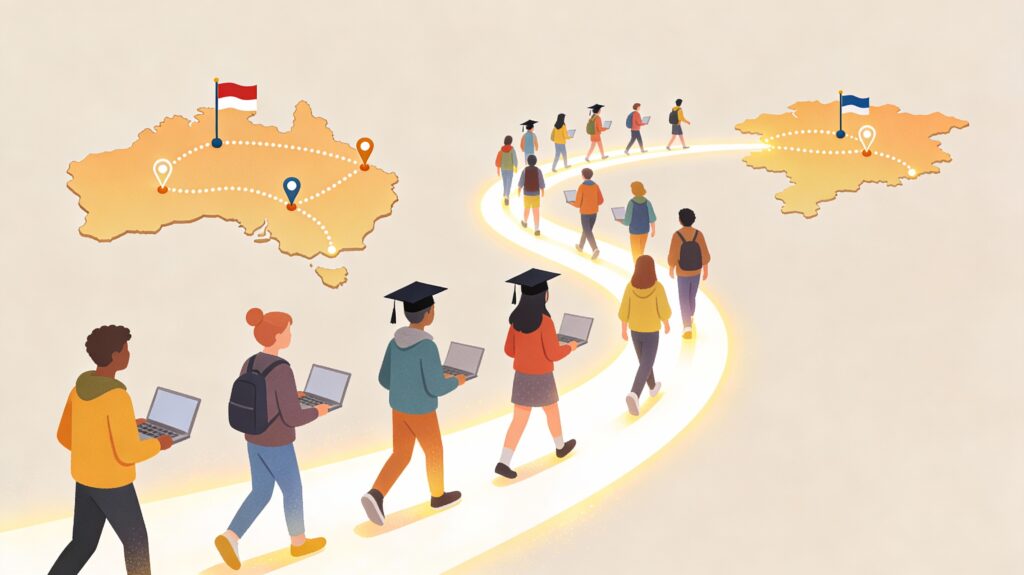
The term “brain drain” refers to intelligent, talented, and educated individuals moving abroad to live or work.
These individuals may be medical professionals, engineers, scientists, educators, researchers, or tech specialists.
Why is this important?
Because when they depart, talent is lost in their home country and acquired in the new one.
Consider this: A nation invests years and resources in educating an individual. When they are no longer useful, they depart. Brain drain is what that is.
What Causes Brain Drain?
People don’t leave their country for fun. They leave because something is not working.
Here are the main reasons:
Better jobs and higher salaries abroad
More opportunities for research, innovation, or growth
Poor working conditions at home
Lack of good education or research facilities
Political problems, corruption, or instability
Low quality of life (healthcare, safety, infrastructure)
Bottom line:
If a country can’t give people good opportunities, they will find them elsewhere.
Types of Brain Drain
Brain drain doesn’t look the same everywhere. There are different types:
| Type | What It Means |
|---|---|
| Internal Brain Drain | Skilled people move from rural areas to big cities |
| External Brain Drain | Skilled people move to another country |
| Sector-Specific Brain Drain | Talent leaves a specific field like healthcare or tech |
| Educational Brain Drain | Students go abroad to study and never return |
External brain drain is the one everyone talks about – especially when doctors, engineers, and scientists leave developing countries.
Brain Drain vs Brain Gain vs Reverse Brain Drain
Let’s clear this confusion once and for all.
Brain Drain: Talent leaves a country
Brain Gain: A country attracts skilled people from other countries
Reverse Brain Drain: Skilled people return to their home country after working abroad
Example:
When an Indian engineer moves to the US: India faces brain drain, US gets brain gain
When that engineer comes back to India: reverse brain drain
So no, brain drain isn’t always permanent – but countries have to earn the return.
Global Trends in Brain Drain (Recent Years)
Since 2020, brain drain has increased because of:
Remote work
Global tech demand
Political conflicts
Better immigration policies in rich countries
Some clear trends:
Developed countries (US, Canada, Germany, Australia) attract talent
Developing countries lose doctors, engineers, and researchers
Tech and healthcare professionals are the most mobile
Countries that offer good pay + safety + lifestyle win.
Regional Impact of Brain Drain
Developing Countries
Lose skilled workers
Slower economic growth
Shortage of doctors and teachers
Government money wasted on education
Developed Countries
Gain talent without paying for education
Faster innovation
Stronger economies
This is why people say brain drain increases global inequality.
Economic Effects of Brain Drain
Brain drain hits the economy hard:
Fewer skilled workers = lower productivity
Companies struggle to find talent
Healthcare and education systems weaken
Long-term development slows down
Yes, migrants send money home (remittances), but money cannot replace skills.
Social and Innovation Impact
When smart people leave:
Fewer innovators remain
Research slows down
Young people lose role models
Society becomes less competitive
A country without thinkers and innovators falls behind
How Governments Try to Reduce Brain Drain
Some countries fight brain drain by:
Improving salaries and working conditions
Investing in education and research
Offering tax benefits to returning professionals
Creating startup and innovation programs
Making it easier to work and do business at home
If governments don’t fix the root problems, no policy will work.
Real-World Examples of Brain Drain
India: Doctors and engineers moving to the US, UK, Canada
Africa: Healthcare workers leaving for Europe
Eastern Europe: Youth migrating to Western Europe
War-affected countries: Scientists and professionals fleeing conflict zones
These are not accidents. They are outcomes of bad systems.
Brain Drain Myths vs Facts
Myth: Brain drain is always bad
Fact: It can help if people return with skills and experience
Myth: Money sent home replaces lost talent
Fact: Skills matter more than money
Myth: You can stop brain drain completely
Fact: You can only reduce it, not eliminate it