Mexico Tariffs Explained: What the 2026 Hike Means
Here’s the deal, then.
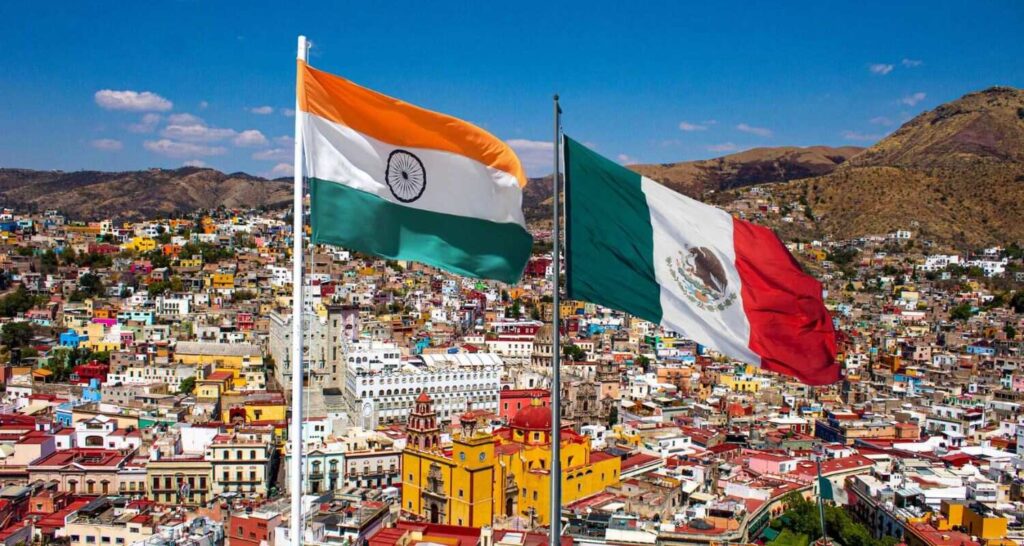
Mexico has made the decision to raise tariffs, or additional taxes, on goods originating from nations with which it does not have a free trade agreement (FTA). One of those nations is India.
As a result, many Indian goods shipped to Mexico will now cost more, which is bad news for exporters. India exports goods to Mexico worth billions of dollars annually, so this move has raised concerns.
In short, higher costs due to Mexican tariffs make it harder for exporters to do business.
What Are Mexico’s New Import Tariffs?
Let’s break this down without fancy words.
A tariff is a tax that a country puts on imported goods. Mexico has announced tariffs that can go as high as 50% on some products.
These new Mexico tariffs apply to:
Countries without a free trade agreement
Products like auto parts, machinery, textiles, chemicals, and electronics
So if an Indian company sells something to Mexico, the buyer now has to pay extra tax, making that product costlier than before.
Why Mexico Is Raising Tariffs
Mexico isn’t doing this randomly.
Here are the main reasons:
To protect its local industries
To reduce cheap imports from other countries
To strengthen its trade position, especially with the US
Mexico already has strong trade deals with countries like the US and Canada. But countries outside those deals? Yeah, they’re feeling the heat now.
Mexico Tariffs on India: Export Impact by Sector
Mexico receives $5–6 billion worth of goods from India each year. And the tariffs imposed by Mexico now have an impact on many of those goods.
Tariffs on Automobiles and Auto Parts
One of the biggest hits is this.
Exports from India:
- Automobile components
- Engines
- Parts of a vehicle
Indian auto parts are now more expensive than those from nations with trade agreements due to increased tariffs from Mexico. Mexican consumers may decide to change suppliers as a result.
Engineering, Textiles, Electronics & Chemicals
Other sectors affected:
Engineering goods (machines, tools)
Textiles and garments
Electronics and electrical equipment
Chemicals and pharmaceuticals
All these products may now face higher duties, making Indian exports less competitive.
Timeline: Mexico Tariff Decision & Implementation Dates
Here’s the timeline in simple terms:
Tariff decision announced in late 2025
Expected to be implemented from 2026
Businesses are already preparing for higher costs
So exporters don’t have much time to relax. Planning has to start now.
India’s Response to Mexico Tariff Increase
India is clearly not happy.
The Indian government has:
Objected to the Mexico tariff hike
Said it will take “appropriate measures” to protect exporters
Started discussions with Mexican authorities
Diplomatic Talks & Commerce Engagement
India’s commerce ministry is talking to:
Exporters
Trade bodies
Mexican officials
The goal is simple:
Reduce the damage and protect Indian businesses.
“Appropriate Measures”: What Does That Mean?
This phrase sounds scary, but it basically means:
Negotiations
Trade discussions
Possible policy responses if talks fail
It doesn’t mean immediate retaliation, but India is keeping its options open.
Is a Free Trade Agreement (FTA) With Mexico Possible?
Right now, India and Mexico do NOT have an FTA. That’s the core problem.
If an FTA happens:
Tariffs could be reduced or removed
Indian goods become cheaper in Mexico
Trade becomes smoother
But FTAs take time. So don’t expect a quick fix.
How Mexico Tariffs Affect Your Business: Practical Steps
Panicking won’t help if you’re an exporter. Making plans will.
What companies can do is as follows:
Supply-Chain Rerouting
Explore exporting via countries that already have FTAs
Look for alternative markets
Reduce dependency on Mexico alone
Tariff Classification & Export Strategy
Check product tariff codes carefully
Rework pricing strategies
Focus on high-value products where tariffs hurt less
Smart exporters adapt. Others struggle.