US India Tariff :What’s Going On and Why It Matters
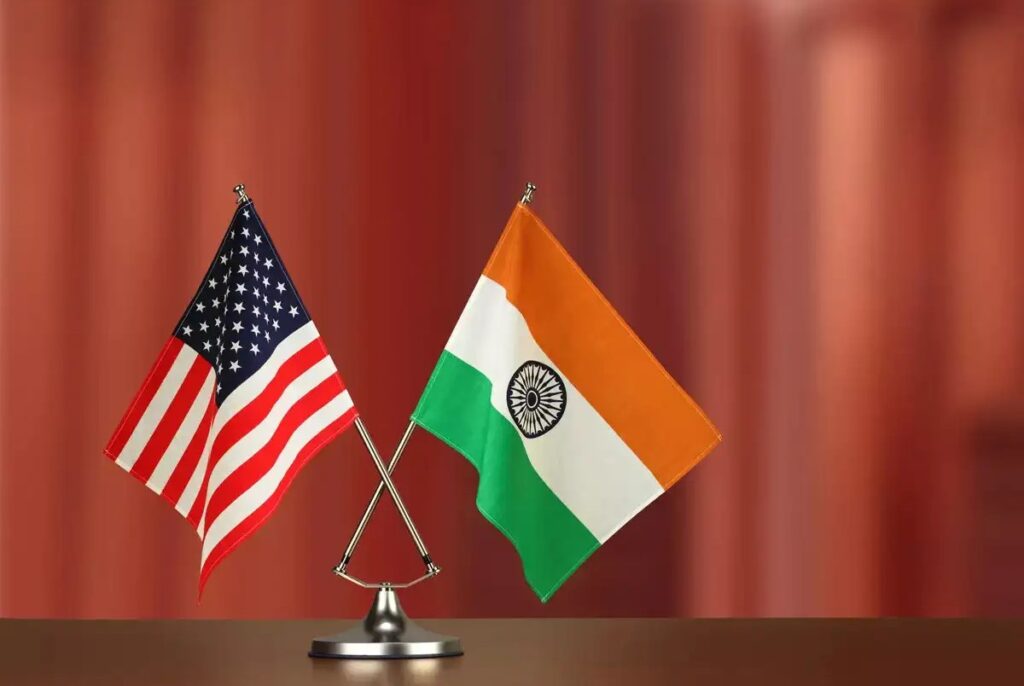
The headlines “US-India tariff row” and “Trade tensions rise” are likely familiar to you. It sounds difficult, doesn’t it? It isn’t. This is fundamentally about power, money, and coercion.
A tariff is simply a tax that a nation imposes on goods that are imported from another nation. India is clearly unhappy with the high tariffs the US has imposed on Indian goods.
What Is the US India Tariff Issue?
In simple terms:
The US increased tariffs on Indian goods
Some of these tariffs go as high as 50%
This makes Indian products more expensive in the US
India says this is unfair and politically motivated
The US says it’s protecting its interests. India says it’s being punished for reasons that have nothing to do with trade.
Both sides are stuck in a tug-of-war.
Which Indian Products Are Affected by US Tariffs?
Here’s where it gets real. These tariffs don’t hit “the economy” in theory – they hit real industries and real jobs.
Some affected sectors:
Textiles and garments
Engineering goods
Agricultural products
Steel and aluminium
When tariffs go up:
Indian exporters lose orders
US buyers pay more
Nobody really wins, except politicians trying to look tough
Timeline: How the US India Tariff Fight Escalated
Let’s break it down step by step:
Trump-era policies introduced aggressive tariffs
India lost trade benefits under US programs
Tariffs were increased further under “national interest” arguments
India kept negotiating quietly instead of escalating
In 2025, India finally said: “Enough. Here’s our final offer.”
This didn’t explode overnight. It’s been building for years.
India’s Final Deal Offer to the US on Tariffs
India recently told the US:
“This is our final trade offer. Remove tariffs, and we’ll move forward.”
India is willing to:
Reduce some of its own import duties
Increase trade cooperation
Strengthen long-term economic ties
But India is not willing to accept one-sided punishment forever. That’s the line.
Why Tariff Removal Is the Main Focus
Because tariffs:
Hurt exports
Slow economic growth
Create uncertainty for businesses
India doesn’t want temporary relief. It wants permanent tariff removal, not random policy changes every election cycle in the US.
Simple logic:
If trade rules keep changing, businesses stop trusting the system.
US Lawmakers Want Trump’s 50% Tariff on India Removed
Here’s the twist most people miss.
Some US lawmakers themselves say the tariffs are wrong.
They argue:
The tariffs are too harsh
They hurt American companies and consumers
They were imposed using questionable legal authority
So yes: this isn’t just India vs US.
It’s India + some US lawmakers vs old US trade policies.
How US India Tariffs Affect Ordinary People
Let’s drop the policy talk and be practical.
Impact on India:
Exporters lose orders
Small manufacturers suffer
Jobs are at risk
Impact on the US:
Imported goods become expensive
Companies pay more for raw materials
Consumers ultimately pay higher prices
Tariffs are sold as “strong leadership,” but economically, they’re often self-damage with good PR.
Issues Beyond Tariffs That No One Talks About Enough
This is where competitor articles are weak.
The tariff fight is also connected to:
Energy politics (India buying oil from Russia)
Geopolitical pressure
Strategic control, not just trade numbers
Tariffs are being used as leverage, not just economic tools. That’s the uncomfortable truth.
What Happens Next in US India Tariff Talks?
Three possible outcomes:
Tariffs are reduced slowly through negotiations
Temporary relief, but no permanent deal
Talks fail, and tensions continue
The smart money is on option #2 – because politics hates clean solutions.
FAQs
It’s a tax imposed by the US on Indian goods, making them more expensive in America.
Officially: national interest.
Realistically: political pressure and strategic disagreements.
No. India has pushed back diplomatically and offered a final deal to remove them.
Possible, but don’t expect miracles. Trade talks move slowly.
Exporters, workers, and consumers – not politicians.